
| Cost Component | Description | Typical Cost Range (USD) |
|---|---|---|
| Lighting Fixtures | Price varies by technology and features: fluorescent fixtures ($40–$120), LED fixtures ($150–$400), specialized explosion-proof fixtures ($300–$1,000+), plus costs for integrated sensors or dimming. | $40 – $1,000+ per unit |
| Installation Expenses | Labor, wiring, mounting hardware, electrical infrastructure upgrades, and possible use of lifts or scaffolding. Includes electrician fees and materials. | $5,000 – $50,000+ total (depends on scale and complexity) |
| Design and Planning | Professional lighting design services including layout analysis, photometric simulations, and control integration. | $2,000 – $15,000+ |
The initial cost of a factory lighting system includes all expenses related to purchasing and installing the necessary equipment. This upfront investment often forms a significant portion of the total budget, as it establishes the infrastructure and components that will function for many years. Understanding the detailed breakdown of these costs helps factory operators anticipate financial requirements and plan accordingly.
Before any physical installation begins, careful design and planning of the factory lighting system incur costs that are often overlooked but contribute to the initial investment. Professional lighting designers or engineers analyze the factory layout, ceiling height, workflow patterns, and lighting requirements to create an optimal lighting plan.
The design process typically includes calculating illumination levels, selecting fixture types and placements, and integrating control systems to maximize efficiency and meet operational needs. Depending on the complexity of the factory and the desired lighting quality, design fees can range from $2,000 to $15,000 or more for large industrial facilities.
Additionally, some projects may require photometric simulations and mock-ups to ensure lighting performance before installation. These technical studies, while adding to upfront costs, help avoid costly rework and ensure compliance with workplace standards.
Investing in thorough design and planning ultimately leads to more efficient use of resources and smoother project execution, reducing unexpected expenses during installation and operation.
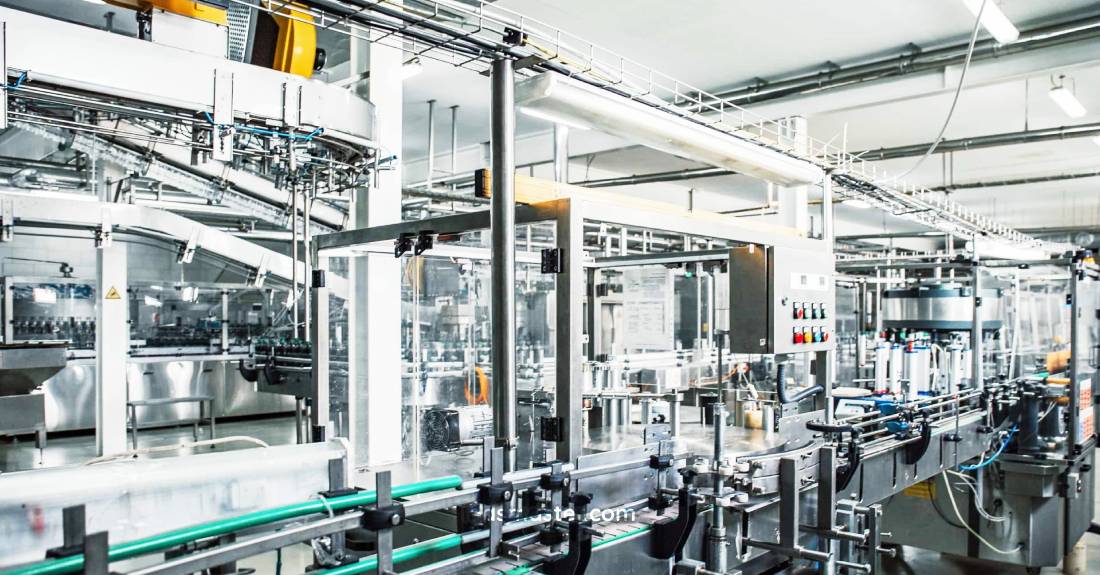
Lighting fixtures represent one of the largest single expenses within the initial cost category. The price of fixtures varies widely based on technology, quality, and specialized features. For instance, traditional fluorescent fixtures generally range from around $40 to $120 per unit, depending on size and wattage. These units typically include lamps and ballasts but tend to have shorter lifespans and lower energy efficiency.
In contrast, modern LED fixtures, favored for their durability and efficiency, usually cost between $150 and $400 per unit. High-bay LED fixtures suitable for factory ceilings from 20 to 40 feet tall typically fall within this range. While the upfront cost is higher, LED fixtures commonly last up to 50,000 hours or more, greatly reducing replacement frequency.
Specialized lighting solutions, such as explosion-proof fixtures designed for hazardous environments, come at a premium price. These units can range from $300 to over $1,000 each, depending on certifications and construction. Similarly, custom fixtures with integrated dimming, motion sensors, or wireless controls add to the cost, often by an additional 20 to 40 percent compared to basic models.
Other factors affecting fixture costs include brand reputation and warranty length. Premium brands may charge a price premium but provide better build quality and technical support. In some cases, investing in higher-quality fixtures upfront can reduce long-term expenses related to downtime and repairs.
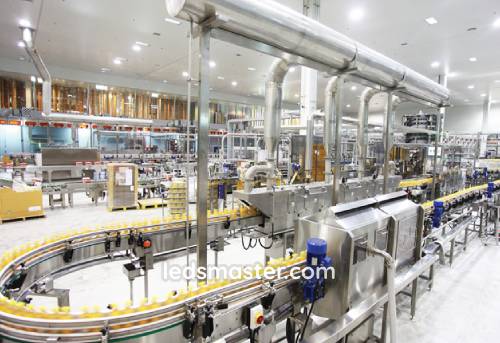 Installation costs include all labor and materials necessary to physically set up the lighting system and integrate it with the factory’s electrical infrastructure. These expenses can vary significantly based on the scale and complexity of the project.
Typical labor rates for licensed electricians range from $50 to $100 per hour, depending on region and experience. For a factory lighting retrofit involving 100 fixtures, the installation labor alone can total anywhere between $5,000 and $15,000, assuming 2 to 4 hours of labor per fixture including wiring, mounting, and testing.
Additional material costs include conduit, wiring, mounting brackets, and electrical panels if upgrades are necessary. These materials can add between $10 to $30 per fixture in typical scenarios. When factoring in heavy-duty supports for high-bay fixtures or explosion-proof conduits, material costs may increase further.
Older factories often require electrical system upgrades to safely accommodate new lighting loads. Replacing or expanding electrical panels, upgrading breakers, or rewiring portions of the facility may add $10,000 to $50,000 or more depending on the factory size and condition. Compliance with local electrical codes and safety standards can also drive these costs.
Complex installations in factories with high ceilings or limited access can require specialized equipment such as lifts or scaffolding. Rental and operation of these tools might add an additional $1,000 to $5,000 to installation expenses.
It is advisable to engage certified electricians and possibly electrical engineers to oversee the installation, ensuring that the lighting system meets all safety requirements and operates efficiently. Their fees may contribute 5 to 15 percent of the overall installation budget but can prevent costly issues or code violations down the line.
| Running Cost Component | Description | Typical Cost Impact |
|---|---|---|
| Electricity Consumption | Energy used by lighting fixtures, influenced by wattage, operating hours, and electricity rates. LED fixtures reduce consumption significantly compared to traditional lamps. | $720 – $1,440+ per month for 100 fixtures operating 16 hours/day; potential annual savings over $8,600 switching to LEDs |
| Lighting Controls | Systems like motion sensors, timers, and dimmers that reduce energy use by adjusting lighting based on occupancy and ambient light. | Initial cost increase of 10–30%; energy savings up to 40%, equating to ~$3,456 annual savings for a 100-fixture factory |
| Heat Generation and Cooling Costs | Heat emitted by lighting increases cooling load; efficient LEDs reduce heat and lower air conditioning expenses. | Can add 5–15% to overall energy costs; cooling savings from LEDs can amount to thousands of dollars annually |
Running costs cover the ongoing financial commitments involved in powering and operating the factory lighting system. Over time, these costs can sometimes exceed the initial installation investment, especially if older or less efficient lighting technologies are employed. Evaluating and managing running costs is essential for controlling the factory’s operational budget and improving overall energy efficiency.
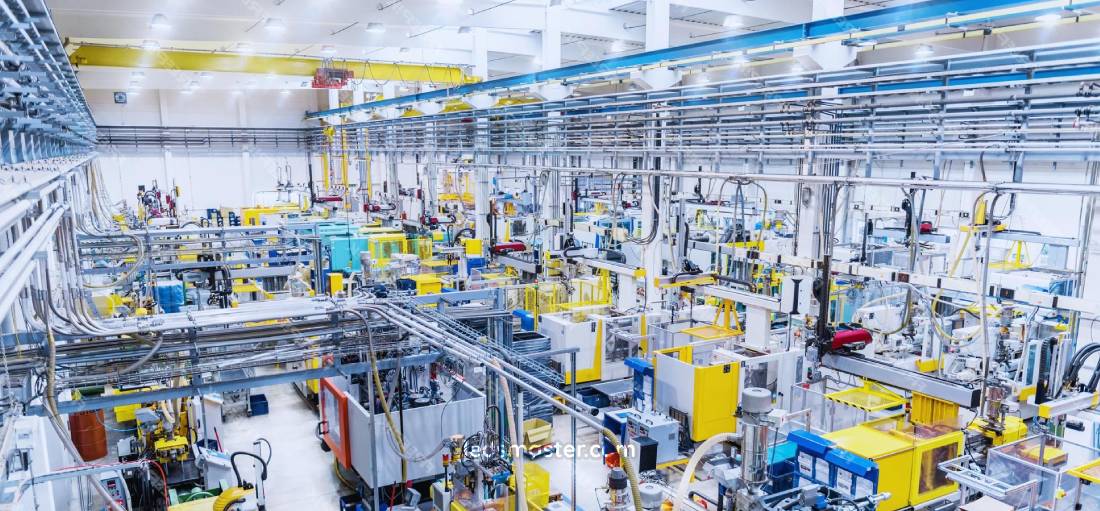
Electricity consumption typically makes up the largest portion of running costs for factory lighting. The total energy expense depends on several factors including the wattage of installed fixtures, the number of lights in use, how many hours per day they operate, and the prevailing electricity rates charged by utility providers.
For example, a factory using 100 high-bay LED fixtures each rated at 150 watts operating for 16 hours daily would consume approximately 240 kWh per day just for lighting (100 fixtures × 150 watts = 15,000 watts or 15 kW; 15 kW × 16 hours = 240 kWh). At an average industrial electricity rate of $0.10 per kWh, this equates to roughly $24 per day or about $720 per month.
If the same factory used older fluorescent fixtures consuming around 300 watts each, the daily consumption would double to about 480 kWh, costing nearly $48 daily or $1,440 monthly. Over a year, this difference results in savings of more than $8,600 by switching to LED technology alone.
Factories running multiple shifts or operating lighting around the clock will see even greater energy costs. Lighting systems operating 24/7 consume 1.5 times more energy compared to two-shift operations, which highlights the impact of operational hours on running costs.
Integrating lighting controls such as occupancy sensors, timers, and dimmers can significantly reduce electricity consumption and related costs. Motion sensors detect whether an area is occupied and automatically switch off or dim lights when spaces are unused, preventing unnecessary energy use.
Timers can schedule lights to turn on or off according to production schedules, ensuring lights are not operating outside of working hours. Dimmers allow lighting levels to be adjusted based on the task or ambient daylight availability, further optimizing energy use.
While the addition of these controls might increase initial expenditure by 10 to 30 percent, the long-term reduction in energy bills can lead to payback periods as short as one to three years, depending on factory size and lighting demands.
For instance, implementing a comprehensive lighting control system in a 100-fixture factory could reduce energy consumption by up to 40 percent. Assuming the previous example where LED lighting costs $720 monthly to operate, a 40 percent reduction would save approximately $288 per month or $3,456 annually.
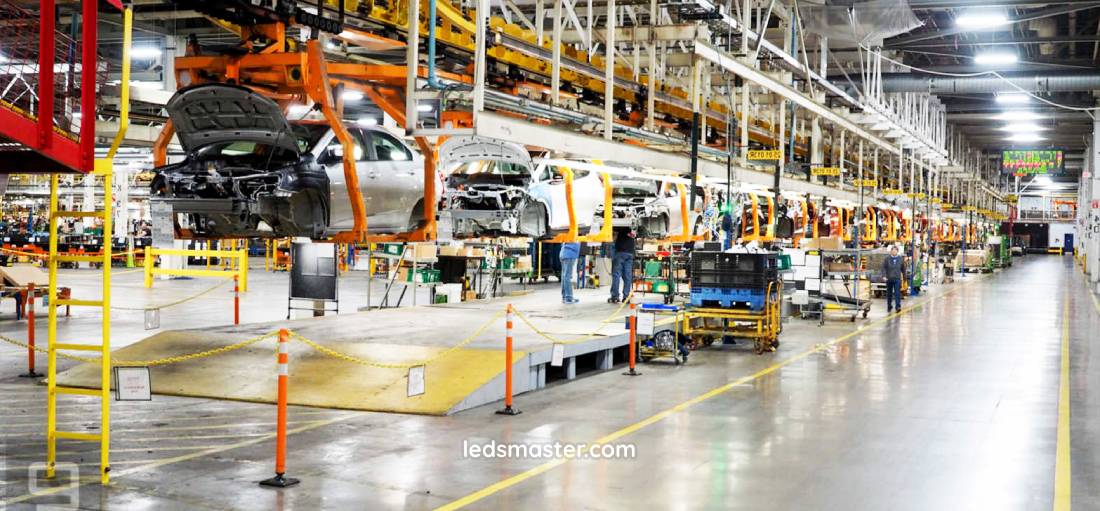
Another factor influencing running costs is the heat produced by lighting fixtures. Traditional lighting technologies like incandescent, halogen, and some fluorescent lamps emit a significant amount of heat during operation. This excess heat can increase the load on a factory’s cooling systems, leading to higher air conditioning expenses, especially in warm climates or enclosed environments.
For example, a factory using 100 high-wattage fluorescent fixtures might generate thousands of additional BTUs (British Thermal Units) per hour, requiring more energy to maintain comfortable temperatures for workers and equipment. This can add an extra 5 to 15 percent to the overall energy costs depending on the efficiency of the factory’s HVAC system and local climate conditions.
LED fixtures, on the other hand, produce much less heat due to their efficient conversion of electricity into light. By reducing heat output, LEDs can lower the factory’s cooling load, resulting in indirect energy savings. In some cases, the reduced cooling demand can translate to thousands of dollars in annual savings, complementing the direct electricity cost reductions from lighting itself.
Factories should consider these thermal effects when selecting lighting technologies and calculating total running costs, as neglecting cooling impacts may underestimate true operational expenses.
| Maintenance Cost Component | Description | Typical Cost Range (USD) |
|---|---|---|
| Lamp and Fixture Replacement | Costs for purchasing replacement lamps and labor for removing/installing them; frequent replacements for traditional lamps versus longer LED lifespan. | $5–$15 per lamp; $12–$50 labor per fixture per replacement; annual costs up to $12,000 for large factories |
| Cleaning of Fixtures | Periodic cleaning to maintain brightness and efficiency; costs vary by factory size and cleaning frequency. | $0.50–$3 per fixture per cleaning; $300–$900 annually for medium-sized factories |
| Repairs and Emergency Maintenance | Unplanned repairs due to electrical faults, damage, or wear; budgeting for contingencies to ensure system reliability. | 5–10% of total lighting system cost annually; e.g., $5,000–$10,000 per year for a $100,000 system |
| Labor and Service Contracts | Costs for in-house maintenance labor or external service contracts covering inspections, repairs, and lamp replacement. | $1,200–$9,000 (in-house annual labor); $6,000–$24,000 (service contracts annually) |
Maintenance and replacement expenses represent ongoing costs necessary to keep the factory lighting system operating reliably, safely, and efficiently. These costs include regular upkeep activities such as cleaning, inspections, repairs, and the replacement of lamps, ballasts, and fixtures as they reach the end of their useful life or become outdated.
Traditional lighting technologies such as fluorescent tubes and metal halide lamps tend to have shorter lifespans, typically ranging from 10,000 to 20,000 hours. This necessitates frequent replacements that generate recurring costs. For instance, a factory operating lighting fixtures for 16 hours daily might need to replace fluorescent lamps every 1 to 2 years. Each replacement can cost between $5 and $15 per lamp, depending on lamp type and quality.
Beyond the lamp cost itself, labor charges for replacing fixtures add significantly to expenses. Skilled electricians or maintenance staff typically charge between $50 and $100 per hour. Assuming it takes 15 to 30 minutes per fixture to replace lamps and perform necessary safety checks, labor alone can range from $12 to $50 per fixture for each replacement cycle.
In contrast, LED fixtures boast significantly longer lifespans, often exceeding 50,000 hours, or approximately 8 years at 16 hours daily operation. This reduces replacement frequency by 75 percent or more. Though LED fixtures may have a higher initial purchase price, the extended service life translates to fewer replacements, saving tens of thousands of dollars over the life of the lighting system in large factories.
For example, a factory with 200 fixtures using fluorescent lamps might spend upwards of $12,000 annually on lamp replacements and labor. Switching to LEDs could reduce these costs to less than $3,000 annually, factoring in occasional repairs and cleaning.
Maintaining fixture cleanliness is vital for ensuring proper illumination and system efficiency. Dust, grease, and industrial residues commonly accumulate on fixtures in factories, especially in manufacturing or processing environments. Neglecting regular cleaning can reduce light output by 20 to 30 percent, forcing higher energy use to compensate or leading to poor working conditions.
Cleaning costs vary depending on factory size and complexity but can range from $0.50 to $3 per fixture per cleaning session. Many factories schedule cleaning quarterly or biannually, so annual costs for cleaning 150 fixtures might total between $300 and $900.
Unexpected repairs are another component of maintenance expenses. These can stem from electrical failures, accidental damage, wiring issues, or component wear. Repair costs depend on the severity of the problem and whether replacements or rewiring are necessary. Small repairs might cost a few hundred dollars per incident, while major repairs could run into thousands.
Factories typically allocate a contingency budget of around 5 to 10 percent of the total lighting system cost annually for repairs and emergency maintenance. For a $100,000 lighting system, this equates to $5,000 to $10,000 per year.
Proactive maintenance and timely repairs help avoid costly downtime and safety hazards, reinforcing the importance of budgeting for these expenses over the lifetime of the factory lighting system.

Maintenance costs also include labor expenses related to routine inspections, testing, and servicing of the lighting system. Many factories employ in-house maintenance personnel who handle basic upkeep, while more complex tasks often require specialized service contracts with external providers.
In-house maintenance labor can vary widely depending on staffing levels and hourly wages, which typically range from $20 to $50 per hour. For a mid-sized factory, routine lighting maintenance might demand 5 to 15 hours monthly, leading to an annual labor cost between $1,200 and $9,000.
Alternatively, some facilities contract lighting maintenance services on a fixed-price or hourly basis. These service contracts usually cover preventive maintenance, emergency repairs, lamp replacements, and system inspections. Contract rates often range from $500 to $2,000 per month depending on factory size and service scope, amounting to $6,000 to $24,000 annually.
Engaging professional maintenance services can improve system reliability and extend fixture lifespan by ensuring timely attention to potential issues. While service contracts add to operating expenses, they can reduce unplanned downtime and costly emergency repairs, ultimately contributing to more predictable budgeting.
| Incentive Type | Description | Typical Financial Impact |
|---|---|---|
| Government Grants & Subsidies | Funding from national or regional programs to offset a portion of lighting upgrade costs; often tied to energy audits and performance reporting. | 20–50% of project costs covered; e.g., $40,000–$100,000 on a $200,000 project |
| Utility Rebates & Incentive Programs | Payments from utility companies based on wattage reductions or controls installed; requires pre-approval and post-installation verification. | $10–$50 per LED fixture; $20–$60 per sensor or control; potential combined rebates over $10,000 for large upgrades |
| Tax Credits & Accelerated Depreciation | Direct tax reductions and faster cost recovery through shorter depreciation schedules, improving cash flow and reducing taxable income. | 10–30% tax credits on equipment cost; up to $1.80 per sq ft deductions under programs like Section 179D |
To help reduce the financial burden associated with upgrading or installing factory lighting systems, various external programs provide financial support. These incentives encourage factories to adopt more energy-efficient technologies by lowering upfront costs and improving return on investment. Support mechanisms include government grants, utility rebates, tax credits, and accelerated depreciation allowances.
Many governments offer dedicated grant programs aimed at promoting industrial energy efficiency, including lighting system upgrades. These grants often cover a percentage of the total project cost, typically ranging from 20% to 50% of eligible expenses. For example, a factory undertaking a $200,000 lighting retrofit might receive grant funding between $40,000 and $100,000, substantially lowering the capital outlay.
Eligibility requirements usually include strict technical standards to ensure that funded projects deliver measurable energy savings. Factories may need to submit detailed energy audits, project plans, and cost estimates during the application process. Furthermore, ongoing monitoring and reporting may be mandated to verify performance and compliance with grant conditions.
Examples of such grants include regional clean energy programs, national industrial modernization funds, and environmental sustainability initiatives. Some programs prioritize support for small and medium-sized enterprises (SMEs), making energy-efficient lighting upgrades more accessible to a broader range of factories.
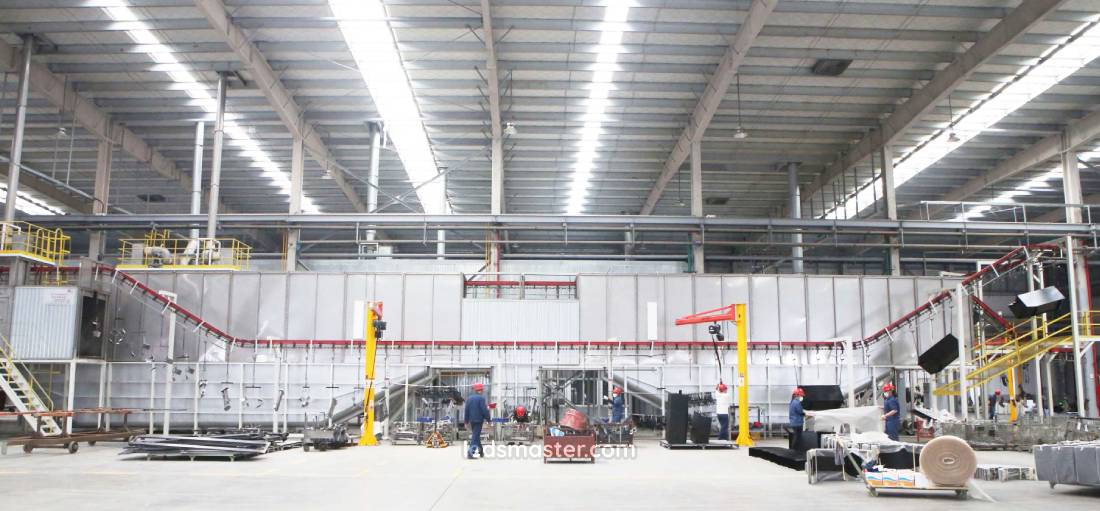
Electric utility companies frequently offer rebate programs to incentivize customers to install energy-efficient lighting and controls. These rebates reduce the upfront cost by providing direct financial incentives calculated based on the wattage reduction or estimated energy savings.
Typical rebate amounts range from $10 to $50 per fixture for LED lighting upgrades, and $20 to $60 per sensor or control device installed. For instance, upgrading 150 fixtures with LED replacements eligible for a $30 per fixture rebate could yield a total rebate of $4,500.
Utilities require pre-approval before purchasing equipment, ensuring that the proposed products meet energy efficiency criteria. After installation, verification processes such as inspections or submittal of energy savings documentation are often necessary to receive rebates. Utilities often maintain qualified product lists and approved contractor networks to simplify compliance.
Some programs also bundle incentives for comprehensive lighting system upgrades, including dimmers, occupancy sensors, and daylight harvesting controls. Factories implementing such integrated solutions may qualify for combined rebates exceeding $10,000 depending on the project scale.
Tax incentives play a vital role in encouraging investment in energy-efficient factory lighting. Many jurisdictions offer tax credits allowing a percentage of the equipment cost to be directly deducted from taxable income. These credits often range from 10% to 30% of eligible expenditures, translating into substantial tax savings.
Additionally, accelerated depreciation schedules allow factories to write off the cost of lighting equipment over a shorter period than standard depreciation. For example, instead of depreciating a fixture over 15 years, accelerated schedules might permit recovery within 5 years or less. This accelerates tax deductions and improves cash flow by reducing taxable income sooner.
In the United States, programs such as the Section 179 deduction and the Energy Efficient Commercial Building Deduction (Section 179D) allow qualifying businesses to deduct up to $1.80 per square foot of energy-efficient upgrades, including lighting. Combined with state-level incentives, these tax benefits can significantly enhance project economics.
Factories are advised to consult tax professionals to maximize available credits and depreciation benefits, ensuring compliance with evolving regulations and leveraging incentives effectively.
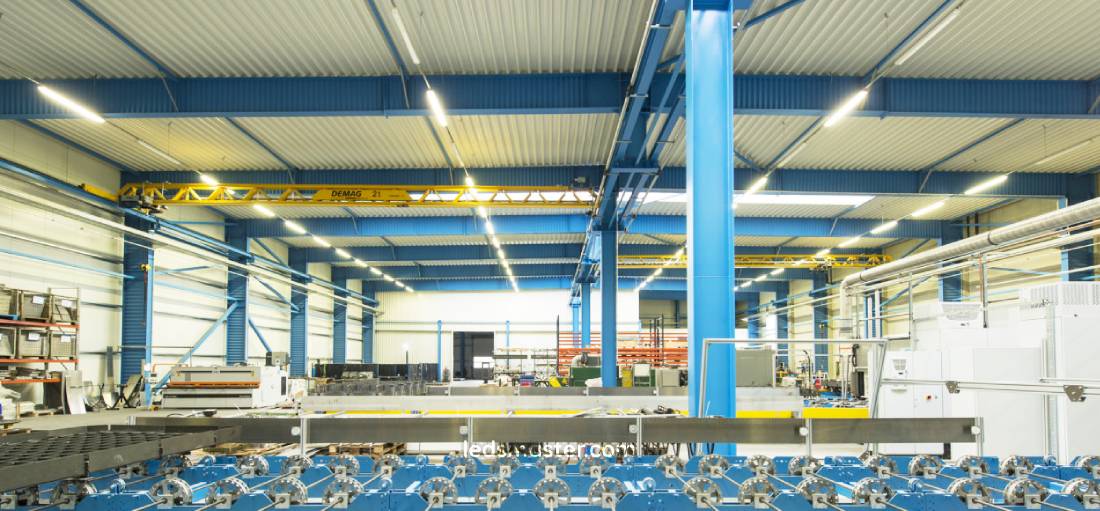
The total cost of a factory lighting system is shaped by a wide range of factors that extend beyond simply purchasing fixtures and paying for electricity. Understanding these variables helps factories plan more accurate budgets and select lighting solutions tailored to their unique environments. Key factors include the size and layout of the facility, the nature of production processes, operating schedules, and environmental or regulatory conditions.
The overall size and internal configuration of a factory are among the most influential factors determining the total cost of lighting systems. A larger facility inevitably demands a higher quantity of fixtures to achieve required illumination standards. This scale extends beyond the fixtures themselves, impacting wiring runs, conduit, circuit capacities, and the labor needed to install and maintain the network.
For example, a small manufacturing plant of 20,000 square feet might need around 80 to 120 fixtures to maintain general lighting levels of 200–300 lux. In contrast, a large-scale facility spanning 200,000 square feet could easily require 800 to 1,200 fixtures to achieve comparable light levels. The multiplier effect not only drives up fixture costs but also compounds spending on electrical infrastructure, project management, and long-term maintenance budgets.
Wider spaces also demand careful lighting design to avoid areas of under-illumination or excessive brightness that can cause glare. This frequently necessitates advanced photometric studies and layouts prepared by lighting engineers, which can add $5,000 to $15,000 in upfront design fees for expansive or irregularly shaped plants. In addition, a larger footprint might require multiple electrical panels and distributed controls to safely handle the electrical load and enable efficient zoning, which can add tens of thousands of dollars to the total system cost.
Ceiling height plays a substantial role in shaping lighting strategy and cost. Factories with ceilings under 15 feet can often use standard low-bay LED fixtures or troffers, typically costing between $100 and $250 each. These fixtures are designed to distribute light evenly over relatively short distances without excessive power or specialized optics.
However, once ceiling heights exceed 25 feet, the requirements change dramatically. High-bay fixtures become essential to deliver adequate illumination at ground level. These lights generally have more powerful drivers and optics engineered to focus light downward over long distances, which raises their unit cost to between $200 and $600 per fixture. Ultra-high bays used in ceilings above 40 feet can exceed $800 per fixture when higher lumen packages or enhanced thermal management is necessary.
Higher mounting heights also impact installation costs. Electricians may require scissor lifts or scaffolding, adding $1,000 to $5,000 to the project budget depending on rental duration and site constraints. Maintenance tasks like replacing drivers or cleaning lenses also become more complex and costly in tall facilities, influencing life-cycle costs.
The internal architecture of a factory introduces another layer of complexity. Facilities crowded with structural columns, heavy machinery, or stacked inventory create obstructions that disrupt light distribution. These barriers can cast shadows or lead to uneven lighting, necessitating the addition of more fixtures or careful selection of beam angles to compensate.
For instance, a warehouse with numerous tall racks might require specialized aisle lighting — narrow beam fixtures designed to throw light directly down long paths — which can cost 20–30% more than standard wide-beam high-bays. Similarly, factories housing bulky processing equipment may need strategic placement of auxiliary lights to eliminate dark corners and ensure compliance with workplace safety standards.
Complex layouts often result in longer conduit runs and more intricate circuit layouts, raising installation costs. Electricians may spend extra hours planning and threading wiring around obstacles, which can increase labor budgets by 15–25% compared to straightforward open-floor installations. Additionally, challenging layouts can drive up the cost of future maintenance and inspections as technicians navigate tight or hazardous spaces to service fixtures.
All these factors combine to make factory size and layout a dominant driver of lighting system costs. It influences not only the quantity and type of fixtures required but also design, installation, and long-term operational expenses, reinforcing why detailed assessments are so vital during the planning stage.
The specific activities taking place inside the factory greatly influence lighting design and costs. Areas involved in detailed assembly, inspection, or color matching demand higher lux levels and better color rendering, which may necessitate advanced LED systems or specialty lighting.
Areas dedicated to precision manufacturing, detailed assembly, or quality inspection demand substantially higher lighting standards than typical industrial zones. Tasks such as assembling intricate electronic components, calibrating instruments, or performing fine visual inspections require operators to discern tiny defects or subtle color differences. To support these activities, lighting systems in such areas often need to deliver illumination levels in the range of 750 to 1,000 lux, more than triple the intensity used in general warehousing.
Reaching these higher lux levels involves deploying significantly more fixtures per square foot or using higher-lumen models that consume additional energy. For instance, a precision assembly line of 5,000 square feet might require 100 to 150 specialized LED fixtures to achieve targeted illumination, compared to just 30 to 50 fixtures for standard storage at 200 lux. These specialized fixtures often have improved color rendering indexes (CRIs) of 90 or above to ensure accurate perception of colors, which is vital in applications like textiles, printing, or electronic component verification.
Fixture costs also rise in such zones, with high-CRI LED luminaires priced at $300 to $700 each depending on specifications. Advanced optics might be needed to minimize glare and shadows on work surfaces, further elevating equipment expenses. Additionally, increased fixture counts mean higher wiring and control infrastructure costs, potentially adding $5 to $8 per square foot in overall installed costs for these high-detail zones.
Operating expenses also escalate. Systems designed to maintain 1,000 lux consume more energy per square foot, and given that many precision zones run extended hours to maximize production, the annual electricity costs can be double or triple that of lower-lit spaces. However, these investments are justified by improved product quality, reduced rework, and enhanced worker comfort, which are vital in high-precision industries such as aerospace, automotive, or semiconductor fabrication.
Warehousing areas and bulk handling zones have distinctly different lighting priorities. Here, the primary goals are broad, uniform illumination to facilitate safe navigation of forklifts, pallet jacks, and personnel. Typical illumination levels in such environments range from 150 to 300 lux, sufficient to read labels, operate equipment safely, and monitor stock without the intensive visual demands of detailed assembly work.
Achieving these lighting levels requires fewer fixtures and generally permits the use of standard wide-beam high-bay or low-bay luminaires. For example, a 50,000 square foot warehouse might be adequately served by 300 to 400 fixtures delivering 20,000 lumens each, strategically spaced to ensure consistent light distribution while minimizing overlapping beams that could cause energy waste.
Although fewer fixtures help keep initial costs down — with average unit prices between $150 and $300 — careful design is still essential. Poor layout can result in dark aisles or excessive shadows behind racking systems, raising safety concerns and potentially violating occupational lighting standards. Warehouses often employ specialized aisle optics that direct light precisely along narrow corridors to enhance visibility without oversaturating adjacent rows.
Even in these lower-intensity zones, operational hours significantly influence costs. Many warehouses operate two or three shifts to keep inventory moving, meaning lights might run 16 to 24 hours per day. In such settings, integrating motion sensors or zoned lighting controls can cut energy use by 20 to 40 percent, substantially lowering long-term electricity bills and reducing heat output that could strain HVAC systems.
Ultimately, while warehousing lighting does not require the same stringent specifications as precision manufacturing areas, its design demands careful attention to achieve both safety and efficiency, balancing capital expenditure with operational economy over the system’s lifetime.
The pattern and duration of factory operations have a powerful influence on the total cost of lighting systems. Unlike many commercial spaces that operate eight to ten hours a day, factories frequently run extended hours to maximize productivity and meet demanding production schedules. Facilities that operate multiple shifts or run continuously throughout the day and night place far greater demands on their lighting systems. This extended use drives up electricity costs, accelerates wear on fixtures, and results in more frequent maintenance and replacements, all of which can compound to make lighting one of the most substantial ongoing operational expenses in industrial settings.
Factories that operate three shifts effectively use their lighting systems 6,000 to 8,000 hours annually. In contrast, facilities running a standard single-shift operation may only require lighting for 3,000 to 4,000 hours per year. This doubling of annual operating hours has a direct, measurable effect on both energy costs and the lifespan of lighting components.
For example, an LED fixture rated for 50,000 hours of use might last roughly 12 to 16 years in a single-shift facility. However, under 24/7 conditions, that same fixture would reach the end of its rated lifespan in as little as 6 to 8 years. Traditional lighting such as fluorescent or metal halide systems faces even shorter intervals, often requiring lamp or ballast replacements every 1 to 2 years under continuous use.
Moreover, the compounded cost of electricity can be dramatic. A factory with 500 fixtures consuming an average of 200 watts each operating 24 hours per day could face annual energy expenses exceeding $175,000 (at $0.12 per kWh). In comparison, a single-shift facility might see costs closer to $90,000. This significant cost disparity underlines why factories with long operating hours must prioritize energy-efficient systems and comprehensive cost management strategies.
To help manage these heightened expenses, many factories invest in advanced lighting controls such as occupancy sensors, daylight harvesting, programmable timers, and dimming systems. These technologies adjust lighting levels automatically based on occupancy or the presence of natural daylight, reducing unnecessary runtime and curbing energy use.
Occupancy sensors installed in areas like storage rooms, less-frequented production zones, or maintenance workshops can cut lighting operation by 20 to 40 percent in those spaces. Similarly, daylight harvesting systems installed near skylights or large windows adjust artificial lighting output in response to natural sunlight, which can lower energy consumption by an additional 10 to 20 percent.
Programmable lighting schedules also allow facility managers to dim or switch off lights during predictable periods of low activity, such as short downtimes between shifts or meal breaks, yielding incremental savings that accumulate over years of operation. While these systems add upfront costs—often increasing installation expenses by 10 to 25 percent—the long-term reductions in electricity and maintenance can produce a return on investment within 2 to 4 years.
Long operating hours not only influence energy bills but also reshape maintenance strategies. Frequent lamp and driver replacements must be planned into operational schedules to minimize disruption. Many factories running around the clock adopt staggered replacement programs, replacing fixtures proactively at 70 to 80 percent of their rated life to avoid mass failures that could halt production or compromise safety.
For example, a facility might budget to replace 20 percent of its fixtures annually to maintain consistent lighting quality and reliability. This approach smooths out maintenance costs and ensures spare parts inventory is managed effectively. However, it also means maintenance budgets for continuous-operation factories can run 50 to 100 percent higher than facilities with more modest operating hours.
Ultimately, factories with extensive operating hours must take a holistic approach—combining efficient fixtures, intelligent controls, and disciplined maintenance planning—to contain the substantial lifecycle costs associated with industrial lighting systems. These combined strategies help protect profitability while maintaining the safe, productive environments that 24/7 manufacturing demands.
The surrounding environment within the factory also plays a crucial role in determining lighting costs. Factories exposed to dust, moisture, chemicals, or extreme temperatures often require specialized fixtures built to withstand harsh conditions.
Lighting in environments with high heat, humidity, or corrosive substances needs fixtures with sealed housings or specific IP ratings. For example, corrosion-resistant LED fixtures for chemical processing facilities may cost $400 to $800 each, compared to $150 to $300 for standard industrial LEDs.
Lastly, local regulations and industry-specific standards can add to lighting costs. Compliance with occupational health guidelines, energy efficiency codes, or food safety lighting standards may dictate higher illumination levels, specific fixture designs, or additional protective features.
Factories operating under stringent regulatory requirements may incur additional design and certification costs, as well as higher fixture prices for certified models. Compliance investments, while adding to upfront expenses, protect against fines and ensure safer, more productive working environments.
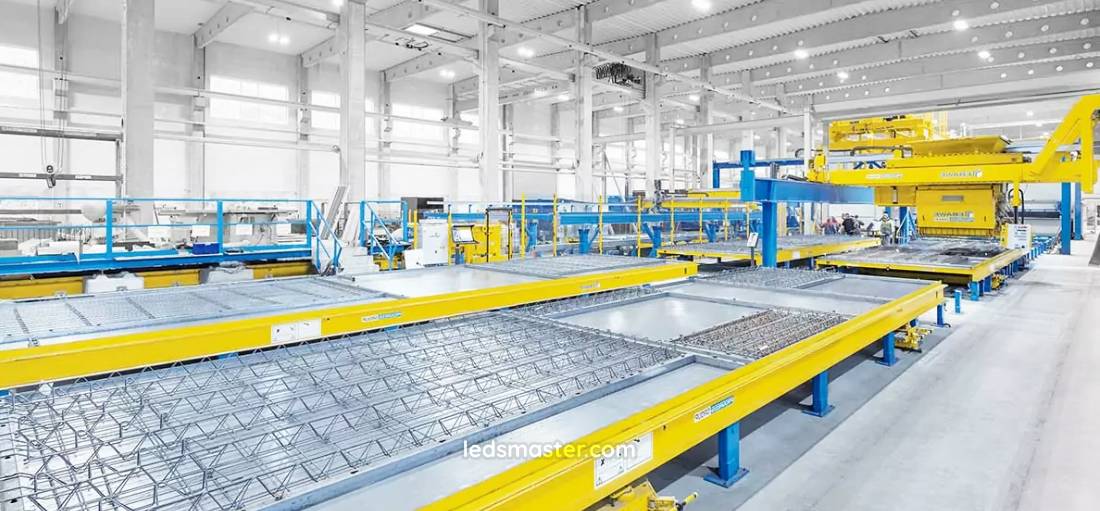
Managing lighting costs in an industrial environment requires thoughtful planning, smart technology choices, and disciplined execution of both short-term tactics and long-term practices. By integrating a variety of strategies, factories can achieve well-lit, safe, and productive spaces while minimizing the total cost of ownership over the lighting system’s lifespan.
One of the most influential decisions a factory can make when planning or upgrading its lighting system is selecting the most suitable technology. This choice establishes the foundation for both the immediate capital outlay and the long-term operating costs associated with energy consumption and maintenance. By carefully aligning lighting technology to the factory’s unique production environment, layout, and operating patterns, companies can unlock savings that pay dividends over many years, while simultaneously improving workplace safety, quality control, and employee comfort.
Today’s market offers a wide spectrum of options, ranging from outdated fluorescent and metal halide systems to state-of-the-art LEDs equipped with sophisticated control capabilities. Each technology has distinct advantages, limitations, and cost implications. An upfront analysis that includes lifecycle costs, environmental conditions, and anticipated hours of use is essential to ensuring the selected system delivers maximum value over its lifespan.
Switching from legacy lighting systems to LED technology stands out as one of the most transformative steps a factory can take to rein in lighting expenses. Although industrial-grade LEDs carry higher initial price tags—typically between $150 and $500 per fixture—compared to $80 to $200 for conventional fluorescent or metal halide units, their dramatically lower operating costs often result in payback periods of just 2 to 4 years depending on runtime and local energy prices.
LEDs are exceptionally efficient, consuming up to 60% less electricity to produce the same lumens as traditional technologies. A factory running 1,000 fixtures could reduce annual electricity bills by $50,000 to $100,000 simply by upgrading from older systems. Just as importantly, the extended operational life of LEDs—often rated at 50,000 to 100,000 hours—means fixtures may last 10 to 15 years in multi-shift facilities, vastly reducing the frequency and cost of replacements.
LEDs also start instantly and maintain consistent color and output over time. This is especially valuable in factories that rely on accurate color recognition or precision visual inspections. Unlike metal halides, which degrade rapidly and can lose 20% to 30% of brightness within the first year, LEDs sustain their output far longer, ensuring work areas remain reliably illuminated to required standards.
For factories with specialized needs—such as electronics assembly lines, textile dyeing facilities, or food processing plants—standard LEDs may not be sufficient. In these contexts, selecting high-performance fixtures tailored to specific operational demands can make the difference between costly disruptions and smooth, trouble-free operation.
Fixtures with high color rendering indices (CRI), typically above 90, help workers distinguish fine color differences, reducing errors in assembly or inspection tasks. These high-CRI LEDs may cost 20–30% more than general industrial models but often deliver enormous returns through reduced product defects and higher quality standards.
Similarly, factories exposed to dust, moisture, or corrosive chemicals should consider fixtures rated at IP65 or IP66, designed to withstand harsh conditions. While these ruggedized units can range from $400 to $800 each, they minimize the risk of premature failures that would otherwise lead to unplanned downtime and expensive emergency replacements.
Additionally, specialized optics can be used to shape light precisely where it’s needed, whether that’s narrow aisles in a high-bay warehouse or uniform coverage over precision workstations. This reduces the number of fixtures required and avoids over-lighting areas, balancing initial investments with operating efficiency.
The decision to integrate lighting controls at the outset can be just as impactful as choosing the right fixture. Modern LED systems often support dimming, scheduling, and sensor-based operation out of the box, but not all fixtures include smart drivers or compatible hardware by default. Investing in fixtures designed for seamless integration with occupancy sensors, daylight harvesting modules, or wireless management platforms avoids costly retrofits later.
Fixtures with integrated smart drivers typically cost 10–20% more than basic models, translating to an added investment of perhaps $30 to $80 per fixture. However, they enable factories to implement advanced strategies like automatic dimming during breaks, zone-based lighting control tied to production schedules, and remote monitoring that flags maintenance issues before they become problems. These capabilities can drive down electricity use by 20–40% over conventional setups and extend fixture lifespan by reducing operating hours under full output.
Moreover, compatibility with future smart factory initiatives—such as integrating lighting into a building’s overall energy management system—positions factories to adapt more easily to evolving production technologies and sustainability requirements. This foresight in technology selection ultimately helps stabilize long-term costs and supports a more resilient, adaptable operational model.
For many factories, transitioning to a new lighting system represents a major capital project that can strain available budgets and disrupt day-to-day operations if executed all at once. As a result, a growing number of industrial facilities choose to approach lighting upgrades in deliberate, carefully planned stages. This phased strategy spreads expenditures across multiple fiscal periods, easing the impact on cash flow and allowing costs to be allocated more flexibly within annual budgets. It also minimizes operational risk by giving facility managers and maintenance teams the opportunity to assess real-world performance before committing to a complete overhaul.
By breaking a large project into smaller, manageable segments, factories not only align upgrades with their financial planning cycles but also gain valuable data that informs better long-term decisions. Each phase acts as a pilot, generating operational insights about fixture placement, light levels, and energy consumption that can be applied to refine the design of subsequent stages. This reduces the chance of costly missteps—such as over-lighting, under-lighting, or investing in unnecessary features—across the entire facility.
Phased installations also align well with evolving technology. Lighting technology continues to advance rapidly, with innovations in controls, driver efficiency, and IoT integration becoming more accessible each year. By upgrading in increments, factories position themselves to incorporate improved technology in later stages, blending initial investments with newer solutions that may offer even greater energy savings or operational insights.
Most factories prioritize their initial lighting upgrades by focusing on zones that promise the greatest immediate payback. These are typically areas with the highest energy draw or the most demanding maintenance needs—such as production halls with ceilings exceeding 30 feet, or precision inspection stations that rely on consistent high-lux illumination to maintain quality standards. Because these spaces often account for a disproportionate share of both energy usage and downtime-related costs, upgrading them first delivers outsized benefits.
For example, replacing legacy metal halide fixtures in a 40,000 square foot high-bay manufacturing area could cut electricity consumption by 50–65% almost overnight, translating to annual savings of $40,000 to $60,000 depending on local rates and operating hours. These early savings often become a funding source for subsequent project phases, effectively enabling the upgrades to pay for themselves over time.
Targeting high-maintenance zones also reduces unexpected repair expenses. Facilities plagued by frequent lamp or ballast failures see immediate reductions in labor and replacement part costs, freeing up maintenance budgets that can be redirected to proactive improvements elsewhere in the plant.
A phased rollout gives factories the invaluable benefit of observing how new lighting systems perform in actual operating conditions before replicating the approach facility-wide. Lighting layouts that look ideal on paper can reveal unexpected shortcomings once installed—such as glare on machine panels, shadows in workstations, or insufficient brightness for safety-critical areas.
By monitoring results after the first stage, maintenance teams and plant engineers can identify these issues and make informed adjustments to fixture types, beam angles, mounting heights, or control settings. For instance, after an initial upgrade, a facility might decide to deploy fixtures with narrower beam spreads in aisles to minimize wasted light or adjust sensor thresholds in storage zones to reduce false activations. These tweaks are much easier and more cost-effective to implement incrementally than to retrofit across an entire plant after a single sweeping installation.
Additionally, phased implementation provides time to train staff on new control systems and maintenance routines. By rolling out complex controls in stages, teams gain experience operating, troubleshooting, and optimizing these systems before they are introduced on a plant-wide scale. This reduces human error and ensures the facility can fully capitalize on the advanced energy-saving features of modern lighting systems.
Another advantage of a phased approach is flexibility. Many factories face evolving operational requirements, such as adding new production lines, changing product mixes, or reconfiguring floor layouts. A multi-stage lighting strategy can adapt to these shifts without wasting earlier investments. For example, if a factory plans to expand a precision assembly line in two years, it can delay certain upgrades in that area until the new requirements are fully defined, ensuring the lighting solution installed will precisely match future needs.
Similarly, phased projects allow for the incorporation of new technological advancements. As LED systems and smart controls continue to improve—offering features like real-time energy dashboards, predictive maintenance alerts, or machine learning-driven lighting schedules—later phases of installation can adopt these innovations, keeping the facility on the cutting edge without scrapping earlier investments.
Altogether, this stepwise method provides an ideal balance between immediate operational improvements and long-term strategic optimization. It lowers financial risk, increases the adaptability of the project to changing circumstances, and builds a stronger foundation for a comprehensive, future-proofed lighting system across the entire facility.
While LED lighting systems offer dramatically longer service lives and lower maintenance demands than older technologies, routine upkeep remains indispensable to sustaining both lighting quality and total lifecycle cost advantages. Many factory managers mistakenly assume that LEDs are maintenance-free simply because they require fewer lamp replacements. In reality, neglecting regular maintenance can cause system performance to degrade over time, undermining the original investment and compromising workplace safety and productivity.
Implementing a structured maintenance program tailored to the specific conditions and operational profile of the factory ensures that lighting systems consistently deliver the required illumination levels. It also reduces the risk of sudden, large-scale failures that might disrupt production schedules or lead to regulatory non-compliance. Proactive maintenance strategies typically involve scheduled cleaning, periodic inspections, targeted component replacements, and meticulous record-keeping—all of which combine to maximize efficiency and prolong the service life of the lighting infrastructure.
In most industrial environments, airborne particulates such as dust, fibers, oil vapors, and even metal shavings can gradually accumulate on fixture lenses and reflectors. This buildup diminishes light transmission and can lower delivered illumination by 10–30% within just a year if left unchecked. In areas with high humidity or airborne lubricants, the reduction can be even steeper, necessitating more frequent attention.
To counteract these losses, many factories establish cleaning intervals ranging from every 6 months to every 12 months, depending on environmental conditions and the criticality of specific work zones. Professional cleaning services typically charge between $1 and $3 per fixture per session. While this might appear as an added expense, it is a modest investment that preserves lighting system efficiency, extends component lifespans by reducing thermal stress from dirt-insulated lenses, and prevents the need to compensate for dimming fixtures by increasing wattage settings—thereby controlling energy costs.
Inspections carried out during these cleanings also provide an opportunity to identify emerging issues such as loose wiring, heat discoloration, or early driver failures. Addressing these problems during routine service prevents them from escalating into more severe and costly disruptions.
Even long-life LED systems eventually reach points where their light output begins to decline or where drivers and electronic components near the end of their reliable operating range. By proactively replacing these elements at around 70–80% of their rated life, factories can avoid sudden mass outages that would necessitate expensive emergency repairs and potentially halt operations in critical zones.
For instance, if a facility operates fixtures rated at 50,000 hours, planning replacements at 35,000 to 40,000 hours allows maintenance teams to schedule work during planned downtimes rather than responding to unexpected failures. Proactive component replacement is also typically 20–30% less costly than reactive repairs. Emergency call-outs often incur overtime labor rates, rush shipping fees for replacement parts, and potential penalties from production delays—costs that preventive programs largely avoid.
Additionally, proactive upgrades can include retrofitting older fixtures with new drivers that are more efficient or better compatible with updated control systems, further reducing energy consumption and aligning with evolving facility automation strategies.
Modern factories increasingly integrate computerized maintenance management systems (CMMS) to track lighting maintenance tasks. These platforms log fixture locations, cleaning and inspection histories, and anticipated replacement dates. Automated reminders help ensure that no fixture is overlooked and provide data that can be analyzed to refine maintenance schedules based on actual wear patterns observed in the plant.
Detailed records also support warranty claims, as manufacturers often require documentation showing that fixtures were properly maintained before approving replacements under warranty. This administrative discipline can save thousands of dollars if systemic defects emerge within the warranty period.
Finally, a thorough maintenance program includes training in safe servicing procedures, especially when working at heights or around energized circuits. Maintenance crews must be equipped with the right gear and safety protocols to prevent falls or electrical accidents. Establishing standardized methods for cleaning, inspections, and replacements not only protects workers but also ensures consistent quality across the entire facility’s lighting system.
Altogether, a proactive, well-managed maintenance strategy is more than just a safeguard against unexpected costs—it is a disciplined investment that protects lighting performance, sustains productivity, and maximizes the returns on the factory’s lighting infrastructure for many years to come.
One of the most underutilized strategies for managing the financial demands of lighting projects is tapping into the broad spectrum of external funding opportunities. Many factories, focused on the immediate logistics of replacing fixtures and minimizing disruption to production, overlook the substantial help available through government initiatives, utility-backed incentive programs, and tailored tax provisions. By integrating these resources into a project’s financial planning from the very start, companies can dramatically cut upfront capital requirements, shorten payback periods, and significantly elevate the long-term return on investment.
These external funding streams are not merely bonuses—they can often make the difference between a lighting upgrade that strains budgets and one that pays for itself within just a few years. As governments and utilities push aggressively toward sustainability goals, especially carbon reduction targets, they have dramatically expanded these financial supports. The funds are there specifically to encourage businesses like factories to accelerate improvements in energy efficiency. Navigating this landscape effectively requires careful attention to qualifying standards, documentation needs, and sometimes rigorous post-installation verification—but the effort frequently pays off many times over.
Federal, state, and local governments in many regions provide grants that directly subsidize energy-efficiency projects. These grants often cover 20–50% of eligible project costs, including not only the purchase of LED fixtures and advanced controls but also portions of installation labor and even engineering assessments. For example, a state energy office might fund $50,000 toward a $150,000 lighting project, dramatically altering the project’s payback calculus.
Meanwhile, local electric utilities frequently operate rebate programs that pay per fixture installed, which can quickly add up. Rebates typically range from $10 to $50 per fixture, depending on fixture type and energy savings over baseline technology. For a medium-sized factory replacing 500 fixtures, this can translate into immediate rebates totaling $15,000 to $25,000. Programs often offer even more generous payouts when smart controls are installed alongside LEDs, sometimes pushing total incentives to 60% of incremental project costs over a basic retrofit.
It’s also common for utilities to require pre-approval before purchases are made, as well as final inspections to verify actual energy savings. Missing these administrative steps can jeopardize eligibility, so involving rebate program coordinators or working with contractors familiar with these processes is critical to securing funds without surprises.
Beyond direct grants and rebates, tax mechanisms represent another powerful lever. In the U.S., the Section 179D tax deduction is a standout example. This program allows factories and other commercial facilities to deduct up to $1.80 per square foot of qualified improvements that enhance the building’s energy efficiency, such as installing high-performance lighting systems. For a 100,000 square foot manufacturing plant, that could mean a deduction of up to $180,000 in the tax year the project is completed, sharply reducing taxable income and bolstering cash flow.
Additionally, many jurisdictions offer accelerated depreciation schedules for energy-saving equipment. Rather than depreciating a lighting system over the typical 39-year commercial building life under standard U.S. rules, qualified systems may be depreciated over just 5 to 7 years. This dramatically improves the financial attractiveness of the investment by bringing tax benefits forward.
Other countries have similar incentives under green building or industrial modernization policies. In Europe, various Enhanced Capital Allowance (ECA) schemes and in parts of Asia, green manufacturing grants, allow factories to deduct or rapidly depreciate investments in approved energy-efficient equipment, often with local variations that can substantially alter effective project costs.
Successfully navigating the often-complex web of funding opportunities is rarely a task to tackle alone. Lighting manufacturers and specialized contractors frequently maintain dedicated teams or partners who handle incentive application processes. These professionals stay up to date on local programs, maintain direct lines to utility program managers, and understand precisely how to document expected energy savings and system compliance to maximize payouts.
For factories, partnering with such experienced providers means avoiding missed paperwork deadlines or small technicalities that can derail rebate or grant eligibility. These partners often manage everything from initial rebate pre-approvals to final inspections and submission of commissioning data. In many cases, they can estimate likely rebates and tax benefits upfront, providing a clear financial forecast that incorporates external funding into the ROI calculation before a single fixture is ordered.
Ultimately, while navigating these programs can involve a maze of applications, energy models, and post-install audits, the payoff is rarely trivial. Factories that take a disciplined, informed approach often find that external funds cover 30–50% of their effective lighting project cost once all rebates, grants, and tax incentives are tallied—transforming what might have seemed a daunting capital expense into a strategic investment with compelling financial returns.
Understanding the various components that contribute to factory lighting costs helps industrial operators make informed decisions to balance performance and budget. Initial investments in lighting fixtures and installation set the foundation for energy consumption and maintenance requirements over time. Running costs, dominated by electricity use, are strongly influenced by the choice of technology and the presence of control systems that optimize operation. Maintenance expenses vary with lamp lifespan and the factory environment’s impact on fixture longevity.
Accessing government grants, utility rebates, and tax incentives offers financial relief and encourages adoption of energy-efficient lighting technologies. Considerations related to factory size, production type, and operating hours further shape the total cost profile. Adopting a phased installation approach and prioritizing regular upkeep can help manage expenses. Technological advancements, especially in LED and smart lighting systems, continue to shift the landscape toward lower life-cycle costs and better environmental outcomes.
By weighing these factors, factories can design lighting systems that meet operational demands while controlling both upfront and ongoing expenses. The evolving nature of lighting technology combined with available financial supports provides a pathway for factories to enhance lighting quality, reduce energy consumption, and maintain productive, safe working environments over the long term.