

The height of light poles on a baseball field directly affects how well the playing surface is illuminated, influencing not only the visibility of the ball and players but also the overall game experience. Determining an appropriate light pole height involves a combination of field specifications, lighting goals, and environmental constraints. Different playing levels and environments, from training sessions on community fields to televised professional matches in stadiums, call for different approaches in pole height and fixture mounting.
Recommended Height of Baseball Field Light Poles
Training vs Competition Modes
| Application | Typical Light Pole Height Range |
|---|---|
| Training Fields (Outdoor) | 12 to 18 meters |
| Competition Fields (Outdoor) | 20 to 40 meters |
| Professional Stadiums (Outdoor) | 30 to 40 meters |
| Collegiate/Semi-Pro Fields | 20 to 30 meters |
| Indoor Facilities | 9 to 15 meters |
| Light Projection Distance (Outdoor) | Poles project light 80 to 120 meters |
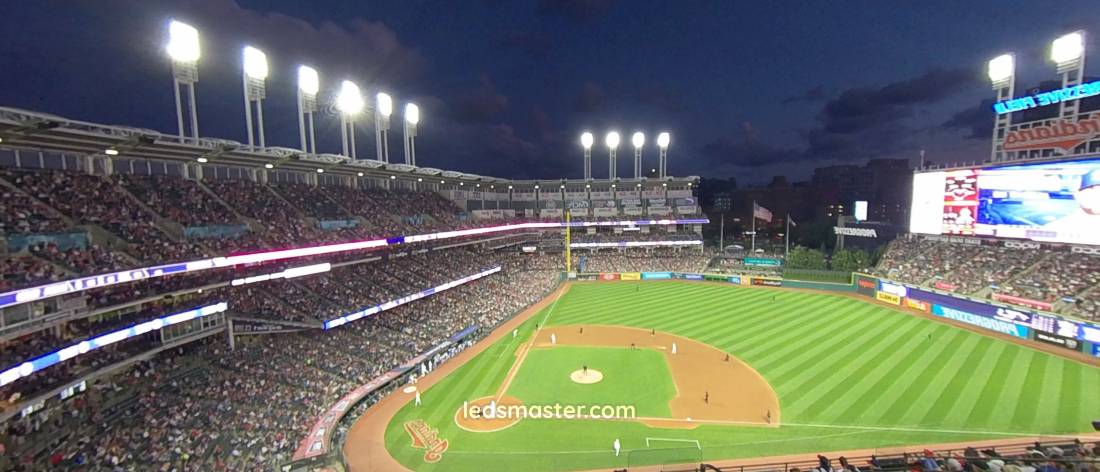
The height of light poles varies significantly depending on whether the baseball field is primarily intended for training or competitive play. Training fields generally utilize shorter light poles, commonly ranging from 12 to 18 meters in height. This height range is typically sufficient for the lower lux levels needed during practice sessions, where full-field illumination or precise light uniformity is less demanding. Training environments often focus on basic visibility rather than broadcast-quality lighting, so the lighting design prioritizes cost-effectiveness and energy efficiency over advanced optical performance.
In contrast, competition-grade baseball fields require substantially taller light poles to meet the demanding standards of game play, spectator viewing, and broadcasting. Standard outdoor competitive fields often feature poles between 20 and 40 meters in height. This extended height allows for the installation of multiple high-output fixtures per pole, providing broader light coverage and enhanced uniformity across both the infield and outfield. Taller poles enable sharper beam angles, which help reduce glare and shadows, improving visibility for players and officials. The increased elevation of the fixtures projects light at steeper angles, minimizing the risk of light interfering with players’ sightlines, especially during fly ball tracking.
A typical professional baseball stadium might use poles around 30 to 40 meters tall, while collegiate and semi-professional facilities often fall within the 20 to 30 meter range. The precise height depends on the overall field size and the number of light poles used. With fewer poles, higher mounting heights are necessary to ensure sufficient throw distances and avoid dark zones.
Indoor vs Outdoor Lighting
Indoor baseball facilities, including domed stadiums and enclosed training arenas, have unique lighting constraints that influence light pole height. Unlike outdoor fields where poles can reach impressive heights, indoor baseball lighting is limited by ceiling height and architectural design. Indoor mounting heights typically range from 9 to 15 meters, depending on the structure’s dimensions. Fixtures are usually attached to trusses, catwalks, or suspended from ceiling grids rather than mounted on freestanding poles.
Because indoor spaces lack natural daylight and ambient outdoor light, the lighting system must be carefully designed to avoid excessive glare and harsh shadows in a confined space. This requires even fixture distribution at relatively lower heights to ensure uniform illumination across the entire playing surface. The controlled environment of indoor fields allows for precise light positioning and beam shaping, minimizing spill light and optimizing energy use.
Outdoor baseball fields demand taller poles due to the larger playing area and the need to illuminate distant parts of the field such as the outfield and foul territories. Poles on these fields are often placed at heights that allow light to project distances between 80 to 120 meters, covering extensive field dimensions and surrounding spectator areas. The taller elevation also plays a role in reducing interference with nearby neighborhoods by directing light downward rather than allowing spill light to escape horizontally or upward.
Environmental factors further differentiate indoor from outdoor pole height standards. Outdoor fields are exposed to changing ambient light levels, weather conditions, and potential obstructions like trees or buildings, which can necessitate adjustments in pole height and fixture aiming. The vertical clearance and ambient light conditions outdoors typically require taller poles to ensure consistent visibility during nighttime games.
Additional Considerations for Pole Height Selection
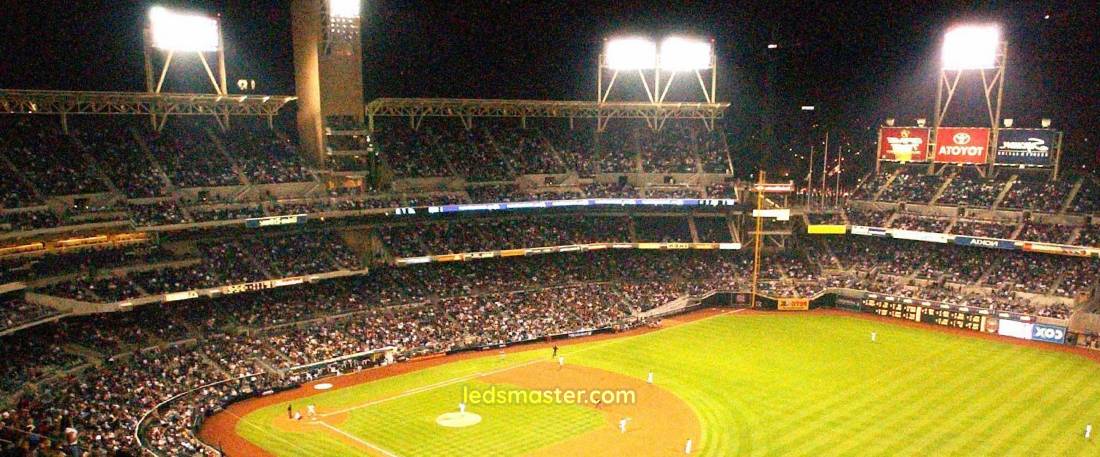
Beyond the training or competition designation and indoor versus outdoor context, other factors influence the choice of pole height for baseball fields. These include the desired uniformity of illumination, the number of poles installed, the size and shape of the playing field, and concerns related to glare control and energy efficiency. The interplay of these elements determines the final design strategy, including how high poles need to be to achieve optimal lighting performance.
For example, when fewer poles are used on a larger field, each pole must be taller to compensate for the increased distance light must travel, ensuring adequate lux levels across all playing zones. Conversely, with more poles, shorter heights are often preferred to reduce glare and create better beam overlap, leading to improved uniformity.
In summary, recommended pole heights can range widely, typically falling between 9 meters indoors and up to 40 meters outdoors for professional competition fields, with intermediate heights chosen based on specific usage and design goals. Understanding the relationship between pole height, fixture capabilities, and field requirements is essential to creating a lighting system that supports the demands of baseball at every level.
Importance of Pole Height on Baseball Field Lighting Performance
The height of light poles is a fundamental determinant of the overall quality, effectiveness, and efficiency of lighting on a baseball field. This critical design parameter directly influences multiple facets of lighting performance, including illumination uniformity, player safety and visibility, spectator comfort, broadcast quality, and environmental impact. Given the diverse demands of different baseball venues—from community fields to professional stadiums—careful selection of pole height is essential to tailor the lighting system precisely to the field’s intended use, physical layout, and operational goals.
Understanding the importance of pole height goes beyond simple illumination; it involves balancing technical, aesthetic, and environmental considerations to create a lighting environment that enhances the game experience for all stakeholders. By optimizing pole height, designers ensure the lighting system supports high-level play, reduces energy consumption, minimizes light pollution, and complies with regulatory standards.
Impact on Illumination Uniformity and Coverage
One of the most critical effects of pole height lies in its direct influence on the distribution and uniformity of light across the playing surface. Proper uniformity means the lighting system delivers a consistent level of brightness (measured in lux) throughout the field, avoiding areas of intense brightness (hotspots) or dark shadows that could hinder player performance or lead to safety risks.
Taller light poles facilitate the use of steeper, more controlled beam angles, allowing the fixtures to cast broader and more overlapping light patterns. This overlap reduces gaps between illuminated zones and creates a seamless lighting envelope that covers the entire infield, outfield, and foul territories. With increased pole height, the throw distance of the light is significantly extended, ensuring even distant areas such as deep outfield corners receive sufficient illumination.
A well-lit field enables players to track the high-speed trajectory of baseballs, a critical factor during night games when natural daylight is absent. Moreover, umpires and officials rely on consistent lighting to make quick, accurate decisions, directly impacting the integrity of the game. Conversely, poorly distributed light due to inadequate pole height can lead to hazardous dark spots or glaring bright zones, negatively affecting player safety and game fairness.
Role in Glare Mitigation and Visual Comfort
Glare—both direct and reflected—can severely impair the visual experience for players, officials, and spectators alike. When light poles are positioned too low, fixtures may emit beams at eye level or create harsh reflections from helmets, gloves, or the ball itself, causing discomfort, distraction, or temporary blindness.
Increasing the elevation of light poles raises the angle of incidence, directing the light predominantly downward toward the playing surface rather than horizontally across the eyes of players or spectators. This strategic placement dramatically reduces direct line-of-sight glare, enhancing visual comfort and helping players maintain focus and reaction times during critical plays.
Additionally, well-designed pole height helps to control reflected glare, which occurs when light bounces off shiny or smooth surfaces. Lower poles increase the likelihood of reflected glare disrupting players’ vision, especially infielders and batters who need unobstructed views. Elevated fixtures paired with advanced optics and shielding technology ensure glare is minimized, promoting a safer and more enjoyable atmosphere for everyone involved.
Enhancement of Spectator and Broadcast Experience
Lighting height also plays a pivotal role in enhancing the overall spectator experience. Fans attending night games expect well-lit seating areas that avoid dark patches or flickering caused by uneven lighting. Taller poles contribute to more even illumination within spectator zones, allowing fans to clearly see the action on the field and comfortably navigate the stadium environment.
Furthermore, baseball has evolved into a highly televised sport, with many games broadcast live to millions worldwide. The broadcast quality hinges on consistent, flicker-free lighting that reduces shadows and ensures true color rendering on camera. Taller poles equipped with modern LED or HID fixtures allow for better light positioning, reducing unwanted shadows and glare that could obscure players or key game moments on screen.
Professional and collegiate stadiums, in particular, must adhere to strict broadcast lighting standards. These standards influence the required pole height to provide the optimal angle and intensity of light necessary for high-definition cameras and slow-motion replays. Adequate pole height ensures that broadcasts capture the game in the best possible quality, enhancing viewer satisfaction and supporting league sponsorship and media rights agreements.
Environmental Impact and Light Pollution Control
In addition to on-field considerations, the environmental consequences of pole height are increasingly significant in modern stadium design. Taller poles, when combined with appropriate light fixtures, optics, and shielding accessories, are more effective at containing and directing light within the boundaries of the baseball field. This containment prevents excessive light spill, which can disturb neighboring residential areas, wildlife habitats, and contribute to broader problems like skyglow.
Light pollution has become a major concern for communities near sports venues. Poorly designed lighting installations can result in intrusive brightness, disrupting sleep patterns of nearby residents and interfering with nocturnal ecosystems. By selecting the correct pole height and integrating shielding technologies, designers can minimize upward and horizontal light escape, thereby reducing light trespass and skyglow.
Moreover, taller poles with focused beam control reduce energy wastage by ensuring that light is efficiently used to illuminate only the required areas, supporting sustainability goals and lowering operational costs. In many regions, strict regulatory requirements and environmental standards govern allowable light levels and spill limits, making pole height a key parameter in achieving compliance and fostering community goodwill.
Elements That Influence the Height of Baseball Field Light Poles
Number of Light Poles
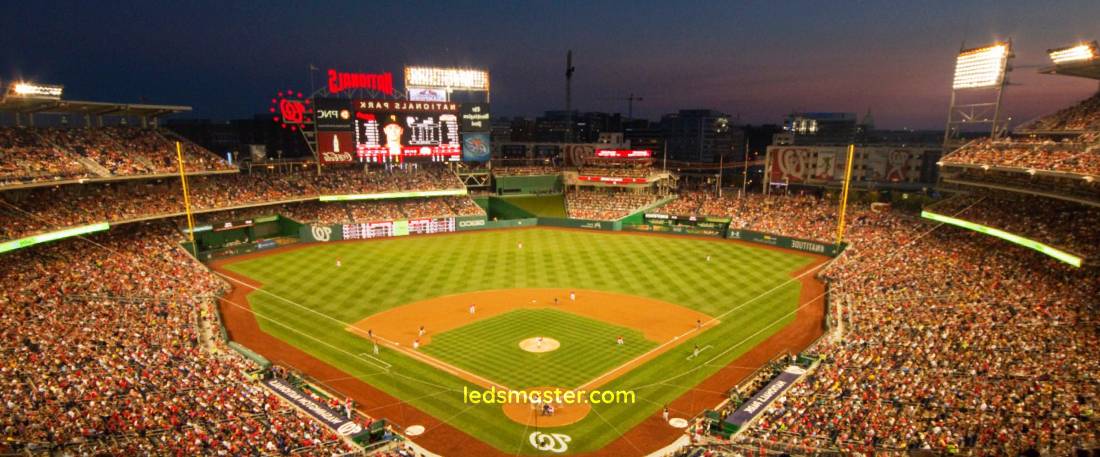
The total number of light poles installed around a baseball field plays a substantial role in determining how tall each pole must be. When a field employs a minimal number of poles, these poles need to be taller to ensure that light reaches across the entire playing surface, including the outfield and foul territories. For example, a four-pole system positioned at the field’s corners demands increased pole height to provide adequate coverage, compensating for the large distances the light must travel.
On the other hand, fields with an eight or twelve-pole configuration benefit from being able to use shorter poles, as the light fixtures are positioned closer to each section of the playing area. This approach allows for more focused and uniform illumination, as the higher number of poles helps eliminate dark spots and creates better beam overlap. Shorter poles combined with multiple fixtures often result in lower glare levels and reduced energy consumption, making this balance between pole quantity and height a major consideration during lighting system design.
Size of the Baseball Field
The dimensions of the baseball field heavily influence decisions about pole height. Smaller fields such as those used for Little League or high school games may measure between 60 to 70 meters from home plate to the center field wall, while professional fields often exceed 120 meters in length. Larger field sizes demand that light be projected over longer distances, which usually means that poles must be mounted at greater heights or that higher-powered fixtures are necessary to maintain sufficient lux levels.
As field size increases, lighting design must accommodate wider beam angles and longer throw distances. These factors are most effectively addressed by increasing pole height, which enables light to cover larger areas without creating excessive glare or dark zones. Conversely, smaller community or recreational fields generally allow for the use of shorter poles and fixtures placed closer together. Designers also consider auxiliary areas such as spectator seating, bullpens, and dugouts, which require careful lighting to avoid unwanted shadows and ensure safety.
Uniformity Ratio
One of the most important elements in baseball field lighting is achieving an acceptable uniformity ratio—the ratio between minimum and average illuminance levels across the field. Maintaining a consistent light level helps players avoid eye strain and performance issues caused by fluctuating brightness. Taller poles typically facilitate better uniformity by allowing light beams to spread more evenly across the playing surface and overlap sufficiently.
By mounting fixtures higher, the beams can be tilted at shallower angles, which minimizes harsh hotspots directly beneath each light pole. In competitive baseball settings, a uniformity ratio near 0.6 or higher is commonly aimed for to ensure consistent visibility. Meeting this goal requires detailed calculations that incorporate pole height alongside factors like fixture type, aiming angles, and spacing to prevent uneven lighting distribution.
Impact of Beam Angle and Light Distribution
The beam angle and light distribution pattern of fixtures are intimately connected to the chosen pole height. Narrow beam angles are typically employed with taller poles to project light over long distances, especially when illuminating large outfield areas. In contrast, wider beam angles are better suited for shorter poles because they provide broad coverage but with shorter throw distances.
Taller poles allow fixtures to use steeper beam angles, which help minimize glare by directing light downward rather than horizontally into players’ eyes. These narrower beams also improve the overlap between adjacent lights, which is crucial for producing smooth and even illumination across the field. It is essential that pole height be carefully matched with the optical properties of the selected luminaires, balancing the throw distance and beam angle needed for optimal field coverage without creating oversaturation in specific zones.
Different distribution types influence pole height as well. For example, Type V symmetrical distributions are common in centralized pole systems where light is evenly cast in all directions, while Type III or Type IV asymmetrical distributions are better suited to poles placed around the perimeter of the field. Each distribution style requires tailored mounting heights to achieve the best lighting outcomes.
Glare Control
Glare control is a significant consideration when determining pole height. Both direct glare from fixtures and reflected glare from surfaces can impair visibility for players, umpires, and spectators alike. Increasing pole height helps reduce the chances that the beam of light will shine directly into a player’s line of sight, particularly for outfielders tracking fly balls or infielders watching fast-moving balls.
Higher mounting positions also help minimize light spill and sky glow, which can affect nearby residential areas or urban environments by reducing upward and horizontal light escape. To further enhance glare control, poles are often paired with shielding accessories, visor attachments, and glare-reduction optics that focus light precisely on the field. These measures combined with proper pole height help maintain visibility and comfort while minimizing unwanted light pollution.
Structural and Environmental Considerations in Determining Pole Height
Wind Loads and Structural Strength
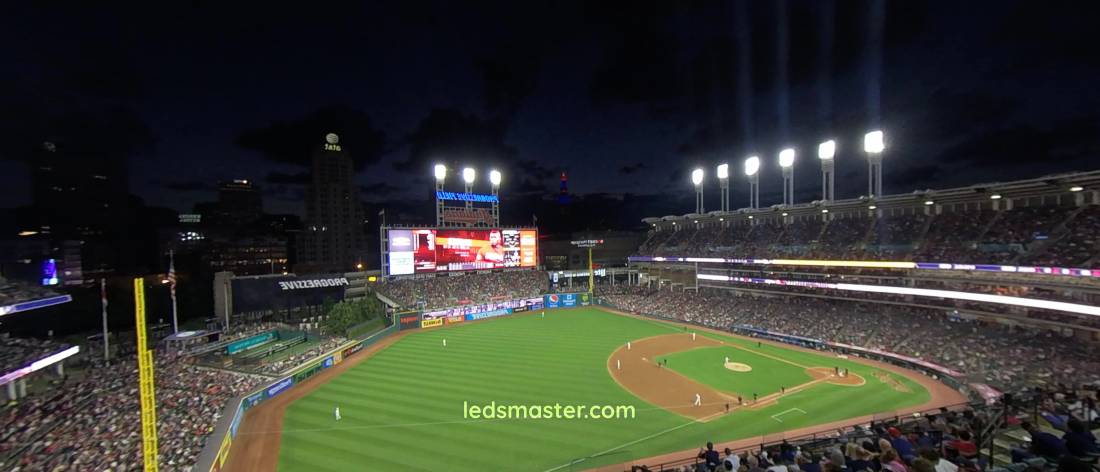
When deciding on the height of baseball field light poles, one must consider the increasing wind loads that come with taller installations. Poles reaching 30 to 40 meters in height are exposed to significant lateral forces generated by wind, especially in coastal areas, open plains, or high-altitude regions where gusts can be particularly strong. These forces require poles to be constructed from reinforced materials such as steel or heavy-duty aluminum, and the foundation must be engineered to provide deep anchorage to prevent tilting or structural failure.
In addition to the basic strength requirements, tall poles may include vibration-dampening systems to reduce oscillations caused by sustained winds. These engineering solutions help maintain the integrity and longevity of the pole while ensuring safety for players and spectators.
Zoning Regulations and Visual Impact
The geographic location of the baseball field heavily influences allowable pole heights through local zoning laws and visual impact guidelines. Urban stadiums, especially those situated near residential neighborhoods or historic districts, often face strict restrictions on pole height to limit obstruction of views, reduce light pollution, and preserve community aesthetics.
In contrast, fields located in rural or suburban settings tend to have more flexibility, allowing for taller poles without significant regulatory hurdles. However, even in less restrictive environments, designers must consider the visual footprint of light poles and strive for a balance between performance and community acceptance. The overall architectural integration of poles into the stadium’s design can also play a role in mitigating visual concerns.
Maintenance Accessibility and Operational Logistics
The height of light poles directly affects how maintenance and operational tasks are carried out. Taller poles generally require the use of specialized equipment, such as mechanical lifts, bucket trucks, or cranes, to access fixtures for bulb replacement, cleaning, or aiming adjustments. This increases both the installation costs and ongoing maintenance expenses.
Some modern pole designs incorporate built-in lowering mechanisms or hinged bases that allow fixtures to be brought down to ground level for servicing. Others include internal climbing systems or ladders enclosed within the pole structure to facilitate safer and more efficient access. These features can offset some of the challenges posed by pole height but also add complexity and initial investment to the lighting system.
Electrical Infrastructure and Energy Considerations
Pole height indirectly affects the electrical infrastructure required for the lighting system. Taller poles often support larger and more powerful luminaires to compensate for the greater throw distances. This means the electrical supply and control systems must be designed to handle higher wattage loads and provide stable power delivery.
With the widespread adoption of LED lighting technology, many of these concerns have been alleviated. LEDs offer higher luminous efficacy and lower energy consumption compared to traditional metal halide or high-pressure sodium fixtures, enabling effective illumination from greater heights without excessive electrical demand. Nonetheless, planners must ensure that the site’s electrical capacity aligns with the demands of the lighting configuration, including future upgrades or expansions.
Interaction with Natural Terrain and Ambient Light
The topography and surrounding environment also influence pole height decisions. Fields located in areas with hills, valleys, or dense tree lines may require adjustments to pole height to compensate for obstructed sightlines or uneven ambient light conditions. For example, poles on the uphill side of a field might be taller to maintain uniform illumination across the playing surface.
Ambient light sources, such as nearby streetlights, commercial buildings, or moonlight, can also impact the lighting design. By adjusting pole height and aiming angles, designers can create a lighting envelope that blends the artificial light with natural and existing sources, enhancing visibility while minimizing harsh contrasts or glare.
Balancing Technical and Environmental Factors
While technical specifications like throw distance, beam angle, and fixture capabilities form the foundation for determining pole height, the interplay with environmental and logistical considerations ultimately shapes the final decision. A successful baseball lighting project balances structural integrity, regulatory compliance, maintenance feasibility, and site-specific factors to deliver a system that performs reliably and harmonizes with its surroundings.
Effective collaboration between lighting engineers, architects, structural designers, and local authorities is essential to navigate these complexities. By integrating these diverse perspectives, the design team can select pole heights that not only meet illumination goals but also respect the physical and social context of the baseball field.
Conclusion
Determining the appropriate height for baseball field light poles involves a combination of field dimensions, usage type, lighting goals, and environmental conditions. Whether for a compact training facility or a large outdoor stadium, the choice of pole height directly shapes lighting performance, visual comfort, and energy efficiency. By aligning pole height with beam angles, light distribution needs, and structural realities, a well-balanced and effective lighting system can be achieved for all levels of baseball play.