
A lot of warehouses are still running older lighting systems — things like metal-halide, high-intensity discharge (HID), or fluorescent fixtures. Back in the day, they did their job well enough, but time hasn’t been kind to them. Over the years, these older lights start to lose brightness, take longer to warm up, and eat up more electricity than they should. It’s not just about how dim they get; it’s how much they’re costing you in power and upkeep.
For example, a standard 400-watt metal-halide fixture can lose up to 30% of its brightness after just 6 months of use and up to 50% over its lifespan. Add to that the regular bulb replacements (sometimes every 10,000 hours or less) and the downtime every time maintenance crews need to bring in lifts to reach those high ceilings — it all adds up in both time and money.
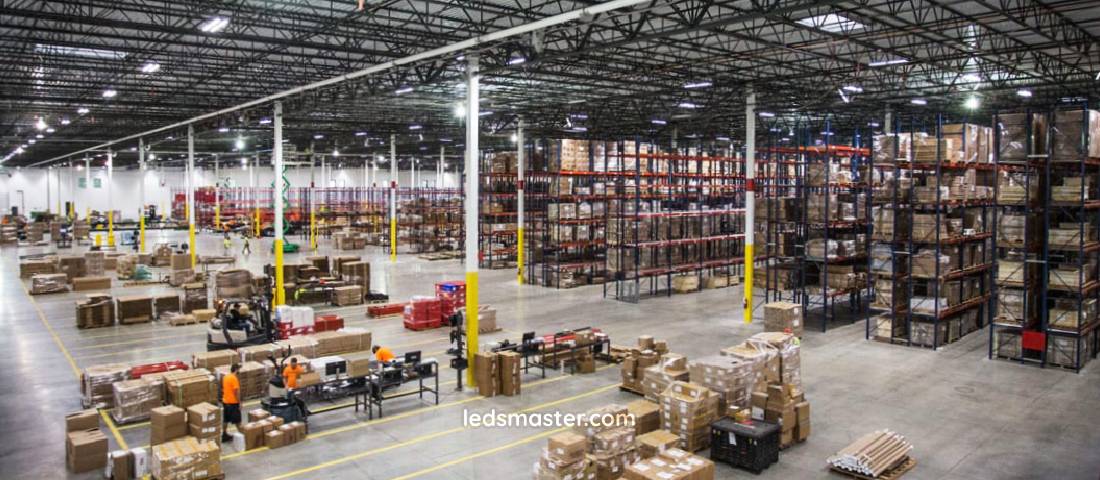
Now, when you switch to modern LED warehouse lighting, things change drastically. LEDs can cut energy use by 60% to 80% compared to older systems, and they usually last around 50,000 to 100,000 hours, depending on the model. That’s years of consistent lighting without needing to bring out a scissor lift every few months.
To put that in perspective, if you’ve got 100 HID fixtures running 12 hours a day, switching to LEDs could save you roughly 30,000 to 40,000 kWh per year — which could mean thousands of dollars shaved off your utility bill annually. Not bad for just changing lights.
And it’s not only about cost. LEDs produce brighter and more even illumination, which means fewer shadows in aisles and better visibility on shelves. That translates directly to fewer picking errors, safer forklift movement, and smoother day-to-day operations. Plus, with color temperatures that mimic daylight (typically around 5000K), employees feel more alert and less fatigued during long shifts.
Warehouse environments can be demanding — high ceilings, dust, vibration, and sometimes temperature swings. Older lighting systems aren’t built to handle these conditions as efficiently as newer LEDs. Traditional lamps also give off a lot of heat, which can affect both worker comfort and HVAC loads. By comparison, LED fixtures generate far less heat, which can help maintain a more stable warehouse temperature and even reduce air conditioning costs in warmer months.
Better lighting also means a safer workspace. Poor or uneven lighting can easily cause accidents — missed steps, forklift collisions, or misread labels. Studies have shown that improved visibility can reduce workplace incidents by up to 20% in industrial settings. When you multiply that across hundreds of workers and thousands of hours, that’s a big deal.
Keeping old fixtures isn’t just about paying higher electricity bills. There are also maintenance costs, replacement parts, and downtime to think about. Every time a light fails, someone has to schedule a repair, move equipment out of the way, and often halt operations in that area. Depending on your setup, that might mean renting a lift, blocking off a loading zone, or delaying shipments — all hidden costs that eat into productivity.
If your warehouse operates long hours — say, 16 to 20 hours a day, six days a week — even a small inefficiency per fixture can turn into a big monthly drain. And since older ballasts can also fail or buzz, your maintenance team ends up spending more time troubleshooting and less time on higher-value work.
Modern warehouses are evolving fast — more automation, higher racks, faster picking systems, and sometimes 24/7 operations. Lighting that worked ten years ago might not meet current illumination standards or safety guidelines. LEDs also integrate easily with smart controls — motion sensors, daylight harvesting, and dimming features — making them perfect for warehouses that want to cut energy waste further and move toward sustainability goals.
So, whether you’re trying to reduce costs, make your warehouse safer, or modernize your facility for future growth, upgrading your lighting isn’t just a nice-to-have — it’s a smart move that pays off quickly.
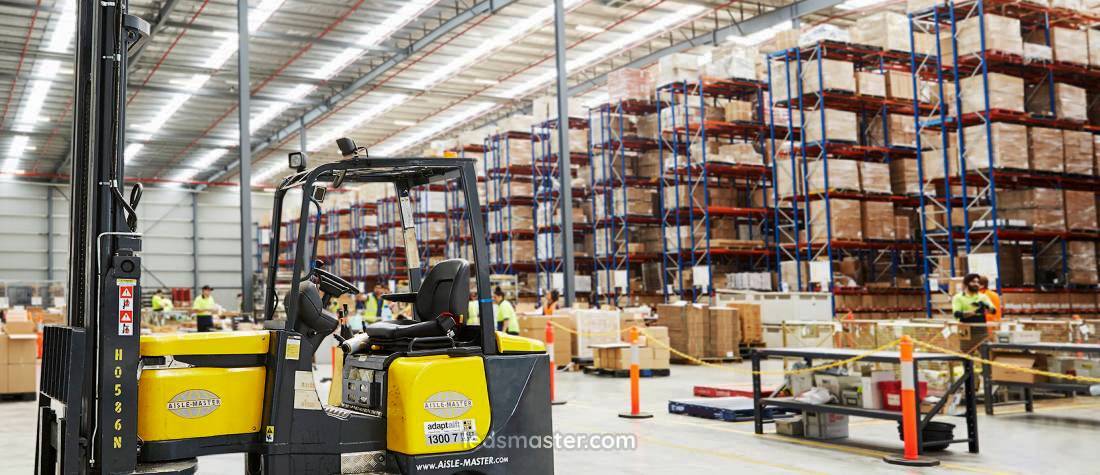
So, how can you tell if your warehouse lighting setup is getting old and dragging down efficiency? The clues are usually right in front of you — sometimes literally above your head.
If your lights are flickering, taking a while to turn on, or need time to “warm up” before they reach full brightness (especially common with HID lamps), that’s one of the first red flags. When fixtures start behaving like that, it’s usually a sign the ballasts or lamps are wearing out.
Another giveaway is when areas of your warehouse start looking unevenly lit — bright in some zones, gloomy in others. That’s often due to lumen depreciation, which means the bulbs are still running, but they’ve lost a lot of their original brightness. HID and fluorescent lights can lose up to 30–40% of their output long before they actually burn out. It’s like having a light that’s technically on but not really helping much anymore.
If you notice your maintenance crew constantly rolling out lifts to replace bulbs or ballasts, that’s another sign your current lighting is past its prime. High-bay fixtures, especially those 25–40 feet up, aren’t exactly quick to service. Each replacement usually means downtime, labor, and equipment rental, which can quietly drain your budget.
Many warehouse managers don’t realize how much this adds up until they do the math. Let’s say each fixture takes 30 minutes to service, and you’ve got 100 fixtures — that’s 50 hours of labor per cycle. Add equipment rental and lost productivity, and it’s not uncommon to spend over $1,500–$2,000 a year just keeping outdated lights running. Modern LED systems, on the other hand, can last five to ten times longer, meaning far fewer headaches.
One of the easiest ways to spot inefficiency is by looking at your energy bills. If your warehouse operates long hours — say, 12 to 18 hours a day — lighting is probably eating up a huge portion of your electricity costs. Traditional metal-halide or fluorescent fixtures often run at 400 watts or more per unit, while LED equivalents can deliver the same or better brightness at 150–200 watts.
That difference might not sound massive per fixture, but multiply it by dozens or hundreds of lights and thousands of hours of operation each year, and the savings can be huge. Switching to LEDs can cut lighting energy use by 60%–70%, which can mean thousands of dollars in savings annually depending on your facility’s size.
So if your power bills seem to creep higher even though your hours haven’t changed, your old fixtures could be the culprit.
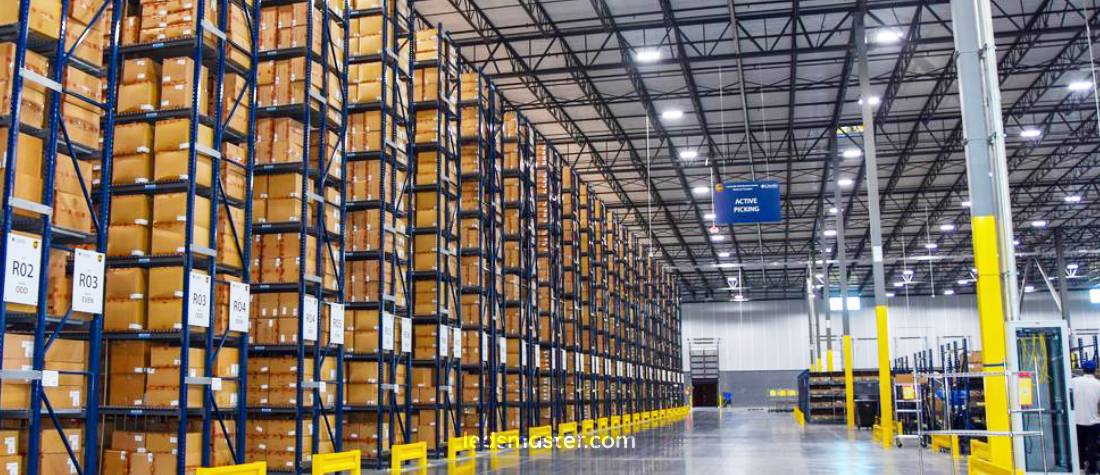
Lighting quality has a big impact on how people feel and perform. If your employees are complaining about eye strain, glare, or difficulty reading labels, it’s not just a comfort issue — it’s a productivity issue. Dim or uneven lighting can lead to picking errors, slower loading times, and even accidents.
There’s data showing that better warehouse lighting can improve accuracy and safety — in some facilities, productivity rose by up to 8–10% after an LED upgrade. That’s because consistent, well-balanced light helps workers stay alert and reduces fatigue during long shifts.
Sometimes, even if your old lights still “work,” they might not be the right fit anymore. Warehouses evolve — maybe you’ve added new racking, changed your floor layout, or increased ceiling height. Each of those changes affects how light spreads across the space.
For instance, if you raise your shelves, you might need more light at lower levels, or if you’ve added automation systems like conveyors or scanners, they’ll need clear, shadow-free visibility to function properly. Old fixtures often can’t adapt to these new requirements.
External factors can also push a change — safety regulations, industry standards, or energy-efficiency targets might make your existing setup outdated. Upgrading to LED systems with smart controls (like motion sensors or daylight dimming) can help your warehouse stay compliant and ready for future needs.
At some point, the costs of keeping old fixtures alive outweigh the cost of replacement. If you’re spending money each year on replacement bulbs, ballasts, and repairs, and your electricity costs are still climbing, it’s time to do the math.
A full lighting replacement may seem like a big investment upfront, but when you consider the lower energy bills, reduced maintenance, and fewer disruptions, it usually pays for itself within two to four years. After that, it’s pure savings — and a brighter, safer warehouse to boot.
So, if you’re seeing flickers, dark spots, high bills, or tired workers, take it as your system’s way of saying: it’s time for an upgrade.
When it comes to upgrading warehouse lighting, a little planning goes a long way. A smart replacement can save energy, cut maintenance costs, and create a safer, more productive environment. Here’s what to keep in mind to make the most of your LED upgrade.
One mistake some warehouses make is simply swapping old fixtures with the same wattage LEDs. With modern LED technology, you often need far fewer watts to get the same—or even better—illumination. LEDs are more efficient and distribute light more evenly, which means you can replace a 300-watt high-bay fixture with a 150–200 watt LED and still achieve the same light output on the floor.
Focus on lumens (the actual light output) rather than just watts. High ceilings — often 20 to 40 feet or more — demand fixtures that deliver light down to the floor, not just around the fixture. Also pay attention to color temperature, beam angle, and distribution patterns, because these affect how well workers can see aisles, racks, and picking zones.
Another factor is durability. Warehouse environments can be harsh: dust, vibration, temperature swings, and heavy use are common. Look for fixtures rated for industrial or high-bay use with proper thermal management. Good LEDs can last 50,000 to 100,000 hours, meaning fewer replacements and less hassle over the long run.
Don’t just assume a one-to-one swap will work. You need to consider installation height, coverage patterns, aisle layout, shelf heights, and light loss due to dust or age. Calculating the proper “spot wattage” helps ensure every corner of your warehouse gets enough light without wasting energy.
Check that wiring, junction boxes, and support structures are in good shape. If you’re moving fixtures, adding more, or changing layout, you might need to upgrade circuits or adjust mounting points. Planning for future flexibility — like aisle reconfigurations or mezzanine additions — can save headaches later.
Timing matters too. Installing lights when the warehouse is less busy, like weekends or overnight, minimizes disruption. And don’t forget the old fixtures: fluorescent or HID lamps can contain mercury, while older ballasts may have hazardous materials, so plan proper disposal.
One of the biggest advantages of modern LEDs is how easily they work with control systems. Dimming, motion sensors, daylight harvesting, and scheduling make your lights smarter, reducing waste while improving ROI.
For example, in rarely-used zones like storage racks, you could dim or turn off lights entirely until someone enters. Busy areas like packing stations or loading docks can stay fully lit. Motion sensors, especially in large open spaces, prevent unnecessary energy use, while daylight sensors reduce lighting during sunny hours.
If you plan ahead, networked lighting controls let you monitor energy usage, schedule maintenance, and adjust settings remotely. Make sure your control system is compatible with your LED fixtures, and that the installation team properly calibrates sensors and defaults. These features not only save energy but may also qualify for rebates or incentives.
Before installing new LEDs, you need to safely remove old fixtures. Shut off power, take down old lamps and ballasts, inspect for any asbestos in older fixtures, clean mounting surfaces, and prepare for new installations.
High ceilings often require lifts or scaffolding, which adds to cost and scheduling complexity. Bundling tasks — cleaning, wiring upgrades, and fixture installation all at once — can save time and money. Proper disposal is key: HID lamps can contain mercury, and older ballasts might contain PCBs.
Once new lights are in, commission the system: check that every fixture works, sensors respond correctly, and there are no dark spots. Measure lux levels at the floor and make adjustments as needed. Train staff on control interfaces, and set up a periodic maintenance schedule — even though LEDs last long, it’s smart to inspect them regularly to maintain peak performance.
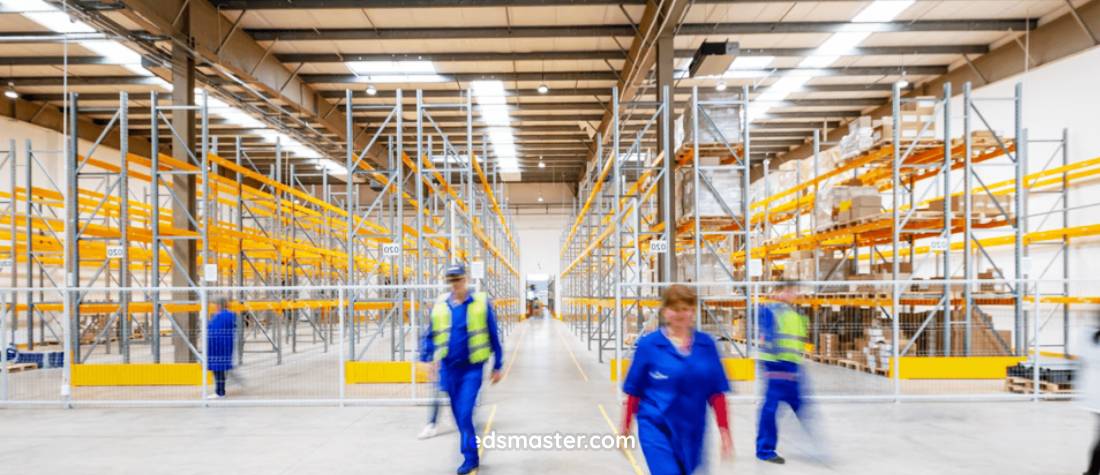
Let’s talk numbers, because at the end of the day, the business case makes all the difference. Replacing old warehouse lighting with LEDs isn’t just about brighter aisles — it can save thousands of dollars every year. In some real-world examples, warehouses have cut both energy and maintenance costs by over $8,000 annually after a full lighting retrofit.
Consider a medium-to-large warehouse that currently uses about 50,000 kWh of electricity per year just for lighting. Switching to an LED system that reduces energy consumption by 60–70% could save 30,000 kWh per year. If your electricity rate is around $0.10 per kWh, that’s roughly $3,000 saved annually just on energy. And that’s before we even factor in maintenance.
LEDs are more than just efficient — they’re durable. Traditional HID or fluorescent lamps need frequent replacements, which means regular downtime, lift rentals, and labor costs. Cutting these maintenance needs can add another few thousand dollars in savings each year. If you have a busy warehouse operating long hours, reducing even a few maintenance events per year can translate to significant operational efficiency.
Better lighting quality can also affect your bottom line indirectly. Bright, even illumination reduces picking errors, lowers the chance of accidents, and improves overall worker comfort and alertness. Fewer mistakes and injuries can save your warehouse thousands more annually — the “hidden” savings of a proper lighting upgrade are often overlooked but very real.
While the upfront investment in new fixtures and installation might seem high, the payback period is often quite reasonable, typically 2 to 4 years depending on warehouse size, operating hours, and local energy costs. In larger facilities, some projects have achieved over 1 million kWh saved annually with a payback period of less than three years. After that, the savings are essentially pure profit, year after year.
It’s also worth considering lifecycle costs. Older fixtures may still work, but their brightness fades over time, they need constant maintenance, and outdated controls don’t allow energy-saving features. Investing in LEDs now can help future-proof your facility. Modern lighting systems with smart controls — motion sensors, dimming, and networked scheduling — not only cut costs further but also make your warehouse more adaptable to layout changes or expansions.
Don’t forget the less tangible but still valuable advantages. Better lighting improves the working environment, which can boost morale and reduce fatigue. Upgrading to energy-efficient LEDs also signals a commitment to sustainability, which can enhance your brand image and even appeal to potential tenants if you lease out space. Reduced energy use also means a smaller carbon footprint, which aligns with many corporate sustainability goals and can be a point of pride for your business.
Good news — there are actually quite a few funding and incentive opportunities for commercial and industrial lighting upgrades, and warehouse lighting usually qualifies. Taking advantage of these programs can significantly reduce upfront costs and shorten your payback period.
Many utility companies offer rebates for switching to LED lighting, especially if the fixtures meet certifications like DLC (Design Lights Consortium) or ENERGY STAR. These rebates can cover a large portion of your project costs, sometimes up to 50% or more, depending on your location and the scope of the upgrade. For example, in one warehouse retrofit, a company managed to have rebates cover over half of the total project cost, while still expecting energy savings of over $100,000 per year thanks to reduced electricity use and smart lighting controls.
On top of utility rebates, there are often state and local programs that support energy efficiency projects. These can include tax deductions, energy efficiency grants, or specialized incentives for warehouses that integrate smart controls like motion sensors, dimming systems, or networked lighting. Some programs even provide bonus funding, such as an extra 10–15% over standard incentives for projects that include advanced controls or indoor/outdoor LED lighting upgrades.
Programs and requirements can vary widely depending on your region, so it’s worth checking with your utility provider, state energy office, or a professional lighting retrofit consultant. Applying for incentives before you start the project and documenting your proposed lighting setup carefully usually improves your chances of securing higher rebates.
Factoring incentives into your upgrade plan can dramatically improve your return on investment. In some cases, rebates can bring a payback period down by a year or more, making LED upgrades not just a long-term saving but an attractive short-term investment as well.
If you’re planning a warehouse lighting replacement, don’t overlook the incentive side — it’s often money waiting to be claimed and can make your project much easier to justify financially.
Replacing the lighting in your warehouse isn’t just a cosmetic upgrade: with the right approach you can lower energy bills, reduce maintenance hassles, improve the working environment and align with sustainability goals. By recognising when the current system is under-performing, planning the LED upgrade carefully (power equivalent, installation/wiring, controls) and taking advantage of incentives, you’re setting up a smart investment. If you decide to move ahead, it’s a good idea to work with lighting professionals who understand warehouse environments so you get the full benefit from your replacement project.